




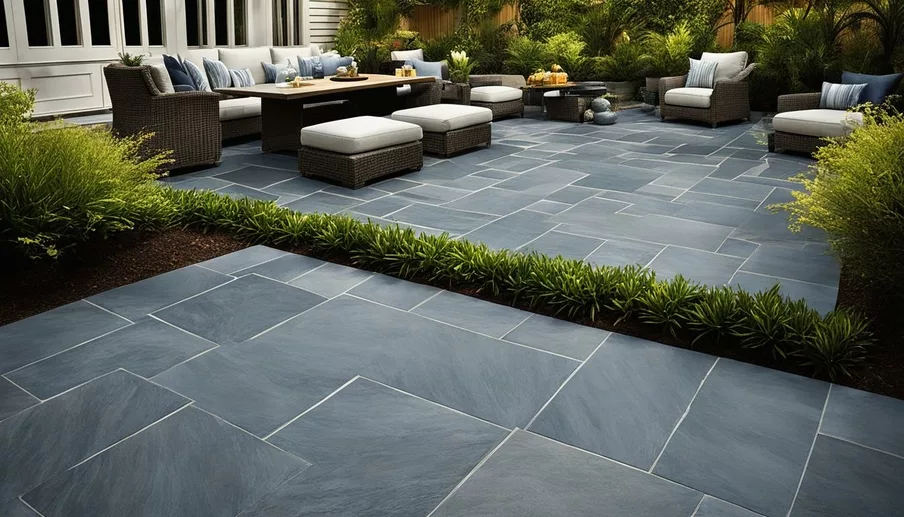
Bluestone has been trusted in outdoor building for decades. It looks clean, natural, and strong. If bluestone pavers are on your list, you’re choosing a stone that handles weather, foot traffic, and time without losing charm.
From driveways to garden paths, this stone sits comfortably in both modern and classic landscapes.
What Are Bluestone Pavers Made Of?
Bluestone is a dense natural stone. In Australia, it often comes from basalt rock.
That’s why it feels heavy, strong, and a little rough to the touch.
Main features:
- Hard and long-lasting
- Slight natural texture (great grip)
- Low water absorption when sealed
- Natural grey-blue tones
- Each piece has slight color variation
Why People Love Using Bluestone Outdoors
- Weather-resistant – works in rain, heat, and cold
- Non-slip surface – safer around pools and wet areas
- Fades gracefully – marks blend into its natural look
- Low maintenance – needs simple care, not constant work
- Designer appeal – matches timber, glass, concrete, and greenery
- Strong under pressure – ideal for driveways and public spaces
Best use areas:
- Patios & alfresco floors
- Garden path tiles
- Driveway stone paving
- Pool surrounds and edging
- Commercial walk zones
- Courtyard design floors
- Outdoor steps and entrances
Common Finishes for Bluestone Pavers
Popular Outdoor Options
- Honed
- Smooth matte surface
- Modern and clean finish
- Easy to sweep and mop
- Natural / Cleft
- Light natural texture
- Raw stone character
- Improves slip resistance
- Flamed
- Rougher sandpaper feel
- Best for high-grip safety areas
Indoor-friendly but usable outdoors selectively
- Polished
- Glossy top
- Can get slippery when wet
- Not preferred for rainy outdoor floors
Tip: For outdoor projects, honed, natural, and flamed finishes perform best.
Popular Sizes You’ll Find
Bluestone pavers come in different shapes to fit different spaces:
- 600 × 400 mm → most common for outdoor floors
- 400 × 400 mm → classic layout for small areas
- 500 × 500 mm → neat square grid finish
- Crazy pattern sets → irregular shapes for designer garden areas
- Bullnose or drop-edge sets → rounded corners for pool edges
Standard thickness for outdoor ground use:
- 15–20 mm → patio floors, courtyards
- 30 mm+ → steps, driveways, and border edges
7 Easy Steps to Buy Bluestone Pavers Smartly
1. Calculate the area
Use:
Length × Width = Total m²
Add 8–12% more for wastage
Example:
- 8 m × 6 m = 48 m²
- Add 10% wastage → Order 52.8 m²
2. Pick finish based on use
- Pool or wet rain areas → Natural, Flamed, or Honed (sealed after install)
- Family patio or courtyard → Honed or Natural
- Driveways → 30 mm+ thick, strong edges
- Outdoor cafés or shops → Honed or Flamed (easy to maintain)
3. Choose the right shade
Bluestone normally ranges between:
- Light grey-blue
- Mid ocean-grey
- Dark charcoal-blue
Homes with greenery often look better with mid to dark shades. Lighter shades feel more open and modern.
4. Check tile and edge quality
Look for:
- Same thickness across the batch
- No major cracks
- Clean straight cuts
- Strong corners
- Good pallet packing
5. Ask about delivery
Because bluestone is heavy, confirm:
- Delivery cost
- Drop-off location
- Damage replacement policy
- Return terms for unused tiles
6. Ask about sealing needs
All outdoor stone should be sealed after install. Make sure the sealer is:
- pH neutral
- Stone-safe
- Water-resistant
7. Plan layout style
Common layout ideas:
- Stack bond (brick style lines)
- Grid square (clean tile boxes)
- French or mixed pattern (designer outdoor flow)
If you’re unsure, grid and stack bond are the safest timeless layouts.
What Happens During Installation (Simple Breakdown)
Even if you hire a professional, here’s what they typically do:
1. Prepare the base
- The surface must be flat, firm, clean, and dry
- For ground pavers, a concrete base is highly recommended
- Soft or cracked surfaces can shift pavers later
2. Use stone adhesive
- Cement-based flexible adhesive works best outdoors
- Bluestone needs strong bonding because it’s dense and heavy
3. Lay pavers carefully
- Press each piece firmly into the adhesive
- Keep even spacing
- Small grout lines look sharper
4. Apply outdoor grout
- Fill the gaps but clean excess before it dries
- Allow proper curing time
5. Seal after the grout cures
- Add one coat for normal patios
- Two coats for pool or rain-exposed floors
- Let it dry fully before use
Care and Maintenance Tips for Bluestone
Cleaning
- Sweep or leaf-blow weekly
- Mop with clean water or mild stone cleaner
- No bleach, vinegar, or acid-based cleaners
- Avoid high-pressure washing unless pavers are thick and strongly sealed
Sealing Routine
- Seal after installation
- Re-seal every 12 to 24 months depending on exposure
- Pool or heavy rain areas may need yearly sealing
Quick Benefits Recap
- Cooler than concrete in summer
- Strong for cars and walking
- Natural premium look
- Great grip in wet areas
- Ages with character
- Easy to maintain when sealed
Common Mistakes to Avoid
- Not adding wastage to your order
- Choosing a glossy finish for wet outdoor floors
- Skipping sealing after install
- Using strong chemicals to clean stone
- Installing on soft or uneven surfaces
Who Should Choose Bluestone Pavers?
Bluestone fits you if:
- You want real stone outdoors
- Your area gets rain, humidity, or temperature changes
- You need non-slip outdoor paving
- You prefer a minimal, timeless design
- You want to install on patios, paths, or driveways
- You need long-term durability over short trends
Conclusion
Bluestone pavers are a safe long-term outdoor flooring choice. They perform well in rain and heat, stay comfortable under sun, and look premium without trying too hard.
Remember these quick rules:
- Measure area + add 8–12% extra
- Use 20 mm+ thickness for outdoor floors, 30 mm+ for driveways or steps
- Choose Honed, Natural, or Flamed finish for best grip outdoors
- Seal after install and reapply yearly or every 1–2 years
- Use mild stone-safe cleaners only
A strong range of quality bluestone pavers for outdoor homes and businesses is available in the Slate Discounts catalog.