

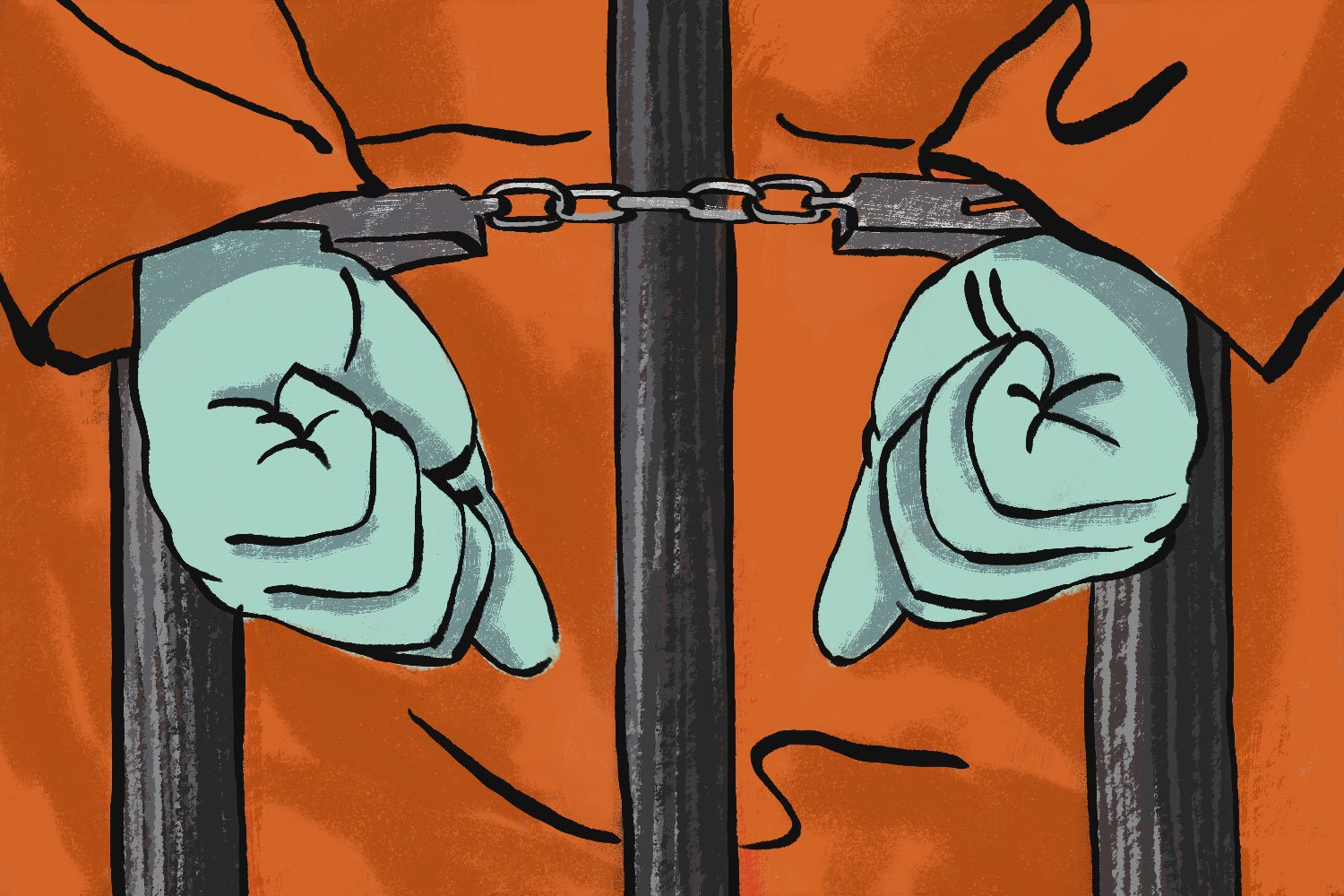
Many people assume that when someone enters a prison or jail, they lose every legal protection. While incarceration does restrict certain freedoms, it does not remove all legal rights. People who are incarcerated continue to have protections under the United States Constitution, federal law, state law, and correctional regulations. These protections are intended to ensure that every individual is treated fairly, receives humane treatment, and has access to basic services while serving a sentence.
Understanding the rights of prisoners is important not only for inmates but also for their families, attorneys, advocates, and anyone seeking reliable information about the correctional system. Knowing these rights helps people better understand prison policies, recognize when concerns should be reported, and identify available legal resources.
This guide explains the legal rights that incarcerated individuals retain, how those rights are protected, and what options are available when problems arise.
What Are the Rights of Prisoners?
The rights of prisoners are the legal protections that remain in place after a person has been incarcerated. Although imprisonment limits certain liberties, inmates continue to retain many constitutional and statutory rights. Courts have consistently held that correctional facilities must balance institutional security with the legal protections guaranteed to individuals in their custody.
These rights do not give inmates unlimited freedom. Prison officials may enforce rules and restrictions that are reasonably related to safety, discipline, and the orderly operation of the institution. However, correctional staff must generally avoid actions that are unlawful, discriminatory, or unnecessarily harmful.
The specific rights available may vary depending on whether an individual is held in a federal prison, state prison, or local jail, but the underlying legal principles remain similar throughout the United States.
Why Prisoner Rights Are Protected
The American legal system recognizes that incarceration is the punishment imposed by a court, not the loss of every constitutional protection. Correctional institutions have a legal responsibility to provide safe and humane conditions while carrying out lawful sentences.
Protecting inmate rights also supports accountability within correctional facilities. Clear legal standards help reduce abuse, encourage professional conduct among staff, and provide procedures for resolving disputes through administrative or legal channels.
These protections benefit both correctional institutions and the public by promoting fairness, reducing unnecessary litigation, and supporting rehabilitation whenever possible.
Constitutional Protections for Incarcerated Individuals
Several parts of the United States Constitution continue to protect individuals after incarceration.
The Eighth Amendment prohibits cruel and unusual punishment. Courts have interpreted this protection to require correctional facilities to provide humane living conditions, necessary medical care, and reasonable protection from violence or serious harm.
Individuals who are awaiting trial receive protections under the Due Process Clause because they have not yet been convicted of a crime. Courts generally recognize that pretrial detainees cannot be subjected to punishment before a lawful conviction.
Other constitutional protections may apply depending on the circumstances, including access to the courts, freedom to practice religion within reasonable institutional limits, and protection against unlawful discrimination.
Basic Rights Every Prisoner Should Understand
Although correctional facilities have detailed rules governing daily life, inmates generally continue to retain several important legal protections throughout their incarceration.
These protections include:
- Access to necessary healthcare, reasonable personal safety, opportunities to practice approved religious beliefs, communication with legal counsel, access to the courts, use of institutional grievance procedures, protection from unlawful discrimination, and access to basic living necessities required by law.
These rights may be limited when necessary for legitimate security or operational reasons, but restrictions should be reasonably related to institutional safety rather than arbitrary punishment.
Access to Medical and Mental Health Care
Correctional institutions are expected to provide appropriate medical care for inmates with serious health needs. Medical services may include routine healthcare, emergency treatment, prescription medications, chronic disease management, and specialized care when required.
Mental health services are also an important part of correctional healthcare. Many facilities provide counseling, psychiatric evaluations, crisis intervention, medication management, and treatment programs designed to address emotional and psychological needs.
Although the quality and availability of services may differ between institutions, correctional facilities generally have a legal duty to respond to serious medical and mental health concerns.
Religious Freedom During Incarceration
Incarcerated individuals generally retain the right to practice their sincerely held religious beliefs, provided doing so does not create significant security concerns within the institution.
Correctional facilities often provide access to religious services, approved religious materials, dietary accommodations when appropriate, and opportunities to meet with recognized faith leaders. Institutions may place reasonable restrictions on religious activities when necessary to maintain safety, but they should avoid unnecessary interference with lawful religious practice.
Requests for religious accommodations usually follow established institutional procedures.
Communication With Attorneys
One of the most important legal protections available to incarcerated individuals is the ability to communicate with legal counsel. Confidential communication with an attorney helps ensure that inmates can seek legal advice, prepare court filings, and protect their legal interests.
Correctional facilities typically establish procedures governing attorney visits, legal mail, and telephone communications while maintaining institutional security requirements.
Prison Grievance Systems
Most correctional facilities provide an internal grievance process that allows inmates to report concerns about prison conditions, staff conduct, healthcare, property issues, disciplinary actions, or other institutional matters.
The grievance process usually requires inmates to complete written forms within specific deadlines and follow several levels of administrative review before a matter is considered fully resolved.
Maintaining copies of submitted forms, written responses, and important dates may be helpful if additional review becomes necessary.
Limits on Prisoner Rights
Although inmates retain many legal protections, their rights are not unlimited. Courts recognize that correctional institutions must maintain order and security while operating safe facilities.
Restrictions on movement, property, visitation, communication, work assignments, and daily schedules are generally permitted when they serve legitimate correctional purposes. Prison officials may also limit certain activities if they present safety risks or interfere with institutional operations.
The balance between individual rights and institutional security is often determined through correctional policies and court decisions.
What Families Should Know
Family members often play an important role in helping incarcerated loved ones understand available resources and navigate correctional procedures. Learning about visitation rules, communication policies, inmate accounts, grievance procedures, and available legal resources can help families provide meaningful support.
Families should also remember that each correctional institution may have its own policies regarding mail, visitation schedules, approved property, and communication methods. Following institutional guidelines helps avoid unnecessary delays or restrictions.
Remaining informed about prison procedures can make communication with correctional staff more effective and help families better understand the legal process.
Final Thoughts
The rights of prisoners remain an essential part of the American justice system. Although incarceration limits certain freedoms, individuals continue to retain important constitutional and legal protections while serving their sentences. These rights help ensure humane treatment, access to healthcare, religious freedom, legal representation, and fair administrative procedures.
Understanding these protections allows incarcerated individuals and their families to make informed decisions, recognize available legal resources, and better navigate the correctional system. Reliable information is one of the most valuable tools for promoting fairness, accountability, and respect for the law inside correctional institutions.